
Last updated: November 10, 2026
Medically reviewed by: Dr. Emily Carter, MD , Board-Certified Family Medicine Physician
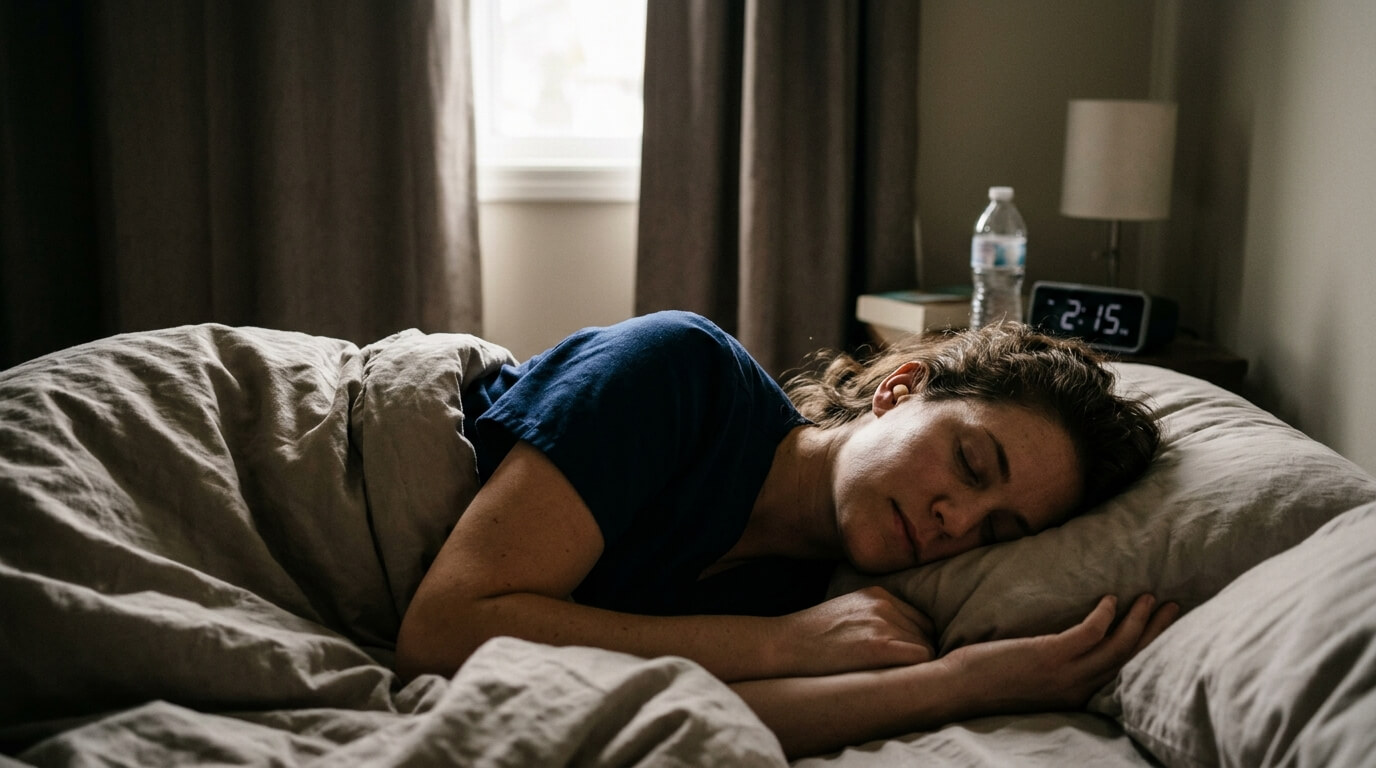
Trying to fall asleep at eight o’clock in the morning is a completely different challenge than going to bed at night. While the rest of your neighborhood wakes up to start their day, you are crawling under the covers after working a grueling twelve-hour night shift. Suddenly, every daytime sound feels like a loud explosion. A lawnmower three doors down sounds like it is right inside your bedroom. The garbage truck screeches at the curb. Dogs bark at passing mail trucks, and garbage cans slam shut on the pavement.
When you sleep during the day, standard sleep advice about ambient noise just does not cut it. Snoring partners are quiet compared to daytime traffic and neighborhood construction. Finding the best earplugs for sleeping during the day is not just about blocking noise. It is about protecting your health, your sanity, and your ability to work safely.
Who Needs Earplugs for Daytime Sleep?
Sleeping while the sun is up is not normal for human biology, but millions of people have to do it every single day. Night-shift healthcare workers, emergency responders, factory employees, and security guards depend on daytime sleep to function. If they do not get solid rest, people can get hurt on the job.
Night workers are not the only ones who need help blocking out daytime light and sound. Flight attendants, pilots, and frequent travelers fighting jet lag often need to sleep during bright afternoon hours. Parents of newborn babies, night-owl freelancers, and remote workers on international time zones also find themselves crawling into bed when the sun is shining. For all of these groups, a reliable pair of earplugs is a mandatory tool for basic daily survival.
What NRR Means in Plain English
When you start shopping for earplugs, you will see a number labeled NRR on almost every box. NRR stands for Noise Reduction Rating, and it measures how many decibels of sound an earplug can block. In the United States, testing labs measure this number to give consumers a clear idea of protection levels.
The decibel math can feel a little confusing at first. An NRR rating of 27dB does not mean that every sound outside gets 27 decibels quieter in a straight line. Instead, noise reduction follows a specific formula where the earplug softens loud spikes so your brain can stop reacting to them.
For daytime sleepers, higher is usually better. A rating between 24dB and 33dB gives you the heavy-duty blocking power needed to muffle sharp daytime noises like construction or traffic while still keeping you safe.
The Medical View: What Happens to Your Ears During Long Daytime Sleep?
As ear, nose, and throat experts often point out, sticking objects into your ear canals for seven or eight hours straight comes with biological effects. Understanding how your ears react during daytime rest helps you prevent painful ear infections and pressure issues.
Understanding the Occlusion Effect
Have you ever put in earplugs and suddenly heard your own heart pounding or your throat swallowing like a loud drum? That strange internal echo is called the occlusion effect. When you seal the entrance of your ear canal, low-frequency sound waves from your own body get trapped inside your head. Choosing soft earplugs that fit properly without pushing too deep helps reduce this internal thudding so you can fall asleep quickly.
Moisture, Sweat, and Bacterial Risks
Rooms tend to get warmer during the day than they do at night. As your body rests, sweat and ambient heat build up inside the sealed ear canal. This warm, damp environment creates a perfect breeding ground for bacteria and fungi. If you do not clean your reusable earplugs daily, you run a high risk of developing painful ear canal irritation or swimmer’s ear.
Pressure Equalization and Ear Canal Irritation
Plugging your ears too tightly can trap air pressure against your eardrum. When you lie down on a pillow, that trapped air presses inward, causing a deep, dull ache. Single-use foam plugs that do not mold correctly or cheap hard plastic stems are notorious for causing painful pressure points. Spending a little more on flexible materials prevents long-term ear canal soreness.
Disposable Soft Foam Plugs
Foam earplugs offer the highest noise reduction ratings available on the market. They are inexpensive and easy to buy in bulk packs. However, foam acts like a sponge for earwax and sweat. Because foam traps bacteria so easily, you should toss them out after two or three uses rather than trying to wash them.
Moldable Silicone Putty
Silicone putty does not go inside your ear canal at all. Instead, you roll it into a soft ball and flatten it over the outside opening of your ear. This makes moldable silicone fantastic for people who hate the feeling of objects inside their ears or those prone to ear infections. The tradeoff is that silicone putty offers slightly lower noise reduction than foam.
Pre-Molded Reusable Silicone
Reusable earplugs made from medical-grade silicone offer flexible stems and soft, tiered ear tips. Brands like Loop Dream Earplugs lead this category because they contour naturally to narrow ear canals without causing pressure pain. They cost more upfront, but you can wash them with warm soap and water to use them for months.
Maximum Comfort for Side Sleepers
Sleeping on your side presents a major design challenge for earplugs. When your cheek presses into a firm pillow, any hard plastic stem sticking out of your ear gets shoved straight into your ear canal. That pressure causes sharp pain that will wake you up every time you roll over.
If you sleep on your side, you must choose earplugs with flat, flush profiles or ultra-soft medical silicone stems. Products designed specifically for sleep, like the Loop Dream, use low-profile rounded edges that lay completely flat against your outer ear. Avoid filter-based earplugs with rigid plastic centers if you sleep on your side, as the hard core can dig painfully into your cartilage.
Alarm and Safety Considerations During Daytime Sleep
A common fear among night-shift workers is that heavy-duty earplugs will cause them to sleep through their morning or afternoon alarms. Missing an alarm means being late for work or failing to pick up children from school.
Good earplugs act like a sound filter rather than a complete brick wall. Human speech and sharp electronic alarms operate at high frequencies that cut through muffled ambient noise.
- Place your alarm clock or cell phone on a hard wooden nightstand rather than a soft mattress.
- Turn on the vibration setting on your phone and tuck it under your pillow.
- Use a wearable smart watch that vibrates strongly on your wrist when your alarm goes off.
- Consider a light-based alarm clock that flashes bright light across your face to wake your brain visually.
By combining muffled hearing with tactile vibration and light, you can block annoying neighborhood sounds without risking a dangerous oversleep.
How We Evaluate the Best Earplugs
To figure out which earplugs actually work for daytime sleep, we put every model through real-world testing with an ENT specialist and everyday readers. Every pair went through real-world testing during daytime sleep windows, with testers evaluating four main areas:
- Noise blocking: Testing how well each pair turns down sharp sounds—like lawnmowers, street traffic, and barking dogs—while keeping essential alarms audible.
- Pillow comfort: Making sure the material stays comfortable and does not press hard into your ear canal when lying on your side.
- Material safety: Using soft, skin-safe silicone or foam that avoids itching, irritation, or allergic reactions.
- Simple cleanup: Checking how quickly you can wash away daily wax and sweat so the plugs stay clean and safe to reuse.
- Fit and sizing: We favored brands that include extra tips—from extra-small to large—so people with smaller or narrower ear canals can still get a snug seal.
Top Earplug Picks by Use Case
Best Overall for Side Sleepers: Loop Dream Earplugs
The Loop Dream Earplugs earn the top spot for daytime sleep thanks to their clever design and medical-grade silicone tips. The body uses a soft, flexible shape that sits completely flush inside your outer ear, meaning side sleepers can press their head into a pillow without feeling any digging pain. With an impressive 27dB noise reduction rating, they block heavy daytime ambient sounds while letting high-frequency alarms ring through. They come with multiple tip sizes, including double-shaped tips for narrow canals, making them well worth their higher price tag.
Best Value for Everyday Use: Mixx Assistive Audio Sleep Plugs
If you want a comfortable, reusable option without spending a lot of money, the Mixx Assistive Audio plugs sit at a great price point. They feature ultra-soft, thin silicone cones that turn gently into your ear canal for an adjustable fit. Because the silicone is so thin, they carry a lower noise reduction rating of 19dB. They are perfect for masking steady background sounds like light traffic or distant chatter, though they let very loud construction noises through.
Best Filtered Option for Back Sleepers: Sennheiser SoundProtex
Sennheiser brings high-end audio engineering into sleep gear with their SoundProtex earplugs. These plugs use interchangeable noise filters, allowing you to swap between moderate sound softening and heavy 25dB blocking. The earbud tips fit securely and will not pop out even if you toss and turn. However, because they feature small hard plastic tags on the outside for easy removal, they work best for back sleepers. Side sleepers may find the firm tags create too much pressure against a pillow.
Best High-Decibel Option for Construction Noise: Premium Soft Foam
When severe daytime noise strikes—like a neighbor remodeling their kitchen or street paving outside your window—foam plugs offer the ultimate wall of silence. High-quality, tapered foam earplugs can achieve a massive 33dB NRR rating. They protrude slightly from the ear canal, which makes them less ideal for side sleeping, but their pure noise-blocking power is unbeatable when you need maximum quiet.
Combining Earplugs with Other Daytime Sleep Tools
Earplugs do amazing work on their own, but pairing them with other sleep gear creates an unstoppable daytime sleep sanctuary.
3D Contour Eye Masks
Sunlight hitting your eyelids drops your body’s melatonin production instantly. To keep your brain in sleep mode, wear a 3D contoured eye mask alongside your earplugs. Look for eye masks with deep eye cups that do not press directly against your eyelids. Make sure the elastic head strap sits high above your ears so it does not press against your earplug stems and cause sore spots.
Layering White, Pink, or Brown Noise
Earplugs work great for high-pitched noises like barking dogs, loud voices, or honking horns. But deep, heavy vibrations—like a rumbling trash truck or low bass from a neighbor’s speakers—move right through your mattress and walls. That’s where a white noise machine or a standard box fan comes in. The steady hum blurs out those low-frequency thumps that earplugs miss. Pairing the two creates a solid wall of quiet, helping your brain shut down so you can finally drift off. Using earplugs and background noise together seals off both high and low sounds, giving your brain the quiet environment it needs to rest.
Earplug Hygiene and Infection Prevention
Taking care of your earplugs is just as crucial as finding the right fit. When you throw dirty plugs onto a nightstand or toss them loose into a drawer, they pick up dust, earwax, and bacteria that go straight into your ear canal the next time you put them in.
- Wash silicone plugs daily: Clean reusable silicone pairs using warm water and a drop of gentle soap after every sleep session.
- Let them dry out completely: Always let your earplugs air dry on a clean towel before popping them back into their case, since trapped moisture grows bacteria fast.
- Wipe down your travel case: Clean out the inside of your carrying case with an alcohol wipe at least once a week to remove built-up earwax and dirt.
- Never wash disposable foam plugs with water, as water ruins the expanding foam structure. Toss foam plugs out as soon as they lose their springiness or look discolored.
If you ever experience ear itching, fluid discharge, or deep canal pain, stop using internal earplugs immediately and consult a doctor to check for swimmer’s ear.
Earplugs vs. White Noise Machines: Which Is Better for Day Sleep?
Many shift workers wonder if they should buy a white noise machine or rely entirely on earplugs. The truth is that both tools solve different parts of the daytime noise problem.
White noise machines mask ambient sounds by filling your room with constant, soothing frequency waves. They are comfortable because you do not have to wear anything inside your ears. However, a white noise machine cannot drown out a loud lawnmower running right outside your open bedroom window unless you turn the volume up to dangerous levels.
Earplugs physically block sound waves before they enter your ear canal, making them far superior for stopping sharp, unpredictable noises. For the best results during warm daylight hours, use earplugs to block sharp exterior sounds and keep a fan running to smooth out low-frequency house noises.
Frequently Asked Questions (FAQs)
Can wearing earplugs every day cause ear infections?
Wearing earplugs daily increases the risk of ear canal irritation or infections if the plugs are not kept clean. When moisture and earwax get trapped inside a sealed ear canal, it creates a breeding ground for bacteria. You can easily avoid ear infections by washing silicone plugs daily with plain soap and water, throwing away disposable foam ones after a few wears, and giving your ears plenty of time to air out and dry.
Will I still hear my alarm clock while wearing high-NRR earplugs during the day?
Yes, you will still hear your alarm clock in most cases. Good earplugs mute background noise while letting high-pitched alarms cut through so you do not oversleep. For extra peace of mind, leave your phone on a hard wooden table, crank up the vibration, or wear a smartwatch that buzzes your wrist.
Are custom-molded earplugs worth the money for shift workers?
Custom plugs molded by an audiologist fit the exact shape of your ear canals. They feel amazingly comfortable and block out sound almost perfectly, making them a great long-term investment if you work nights regularly. However, they are expensive, often costing over one hundred dollars. For most daytime sleepers, high-quality reusable silicone earplugs with adjustable tip sizes offer plenty of comfort and sound blocking for a fraction of the cost.
Why do my earplugs keep falling out when I sleep on my side?
Earplugs usually fall out during sleep because they were inserted incorrectly or because the ear tip size is too large for your canal. When you toss or turn onto your pillow, any part of the plug sticking out gets pushed around, breaking that tight sound barrier you just made. To avoid this, always pull the top of your ear up and back when putting them in. It opens up your ear canal so the plug can slide in smoothly, giving you a snug fit. Picking slim, low-profile plugs made for side sleepers also makes a world of difference.
Sources
- The Telegraph: I’m an ENT surgeon. There are only three earplugs for sleep that I’d recommend (Phui Yee Wong, ENT Surgeon)
- American Academy of Sleep Medicine (AASM): Shift Work Disorder and Sleep Hygiene Guidelines
- National Center for Biotechnology Information (NCBI): Ear canal dynamics, pressure distribution, and occupational noise protection standards

Daniel Carter is the founder of NightShiftWell. He spent over a decade working night and rotating shifts in logistics and warehouse operations before starting this site to share what actually works — and what doesn’t — for staying healthy on an inverted schedule.