
Last updated: November 10, 2026
Medically reviewed by: Dr. Emily Carter, MD , Board-Certified Family Medicine Physician
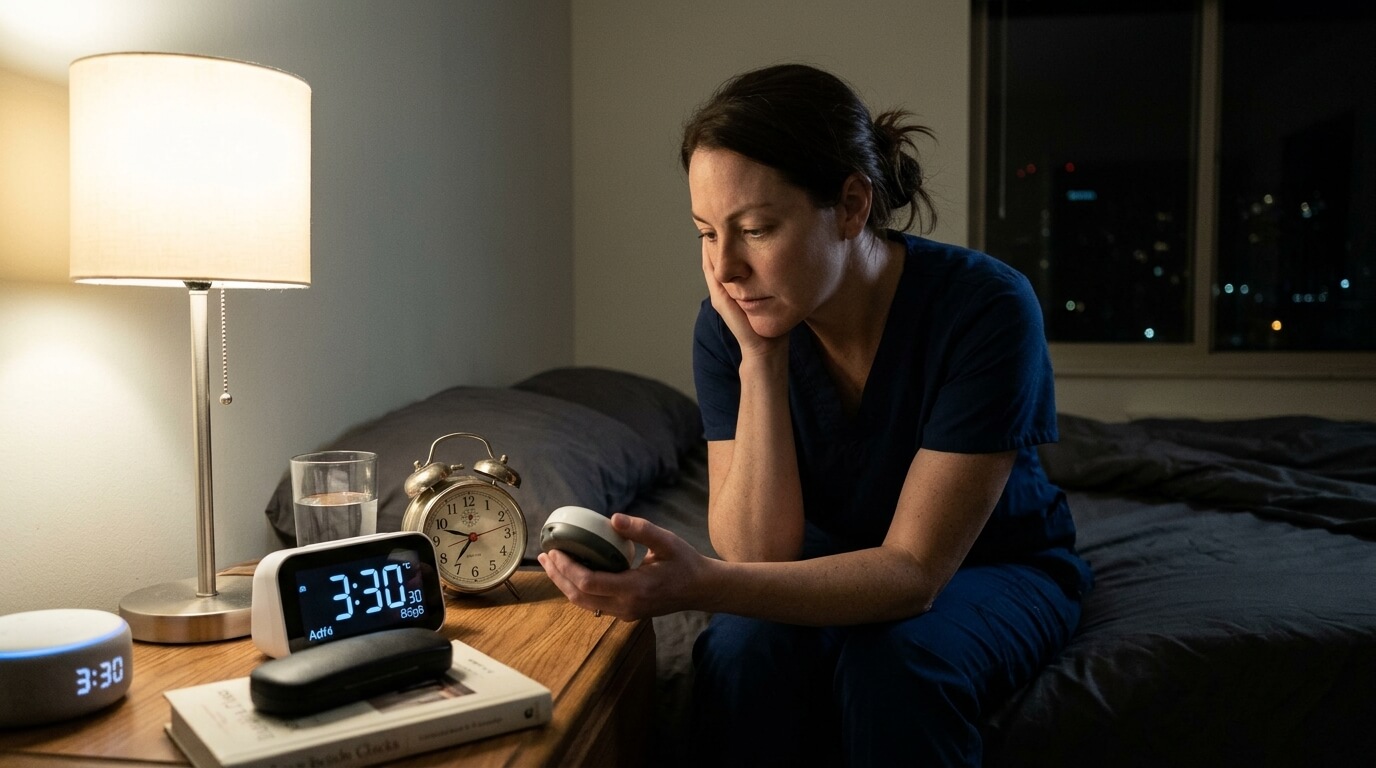
It’s 4 p.m., and your alarm has been ringing for ten minutes. You were supposed to wake up, eat dinner, and get ready for another night at work. Instead, you’re still asleep. When you finally open your eyes, you’re already running late.
For people who work overnight, this can be a real problem. Sleeping during the day isn’t always easy. The neighbors are outside, cars are passing, and your body may still be trying to recover from a long shift.
A regular phone alarm might work fine for some people. Others need something louder, an alarm that shakes the bed, or a clock that lets them set different wake-up times throughout the week.
The best alarm clocks for night shift workers are reliable, easy to set, and suited to the way you sleep. You don’t have to spend hundreds of dollars. What matters is finding a clock that wakes you when you need to get up without disturbing the sleep you need beforehand.
Why Night Shift Workers Need a Different Kind of Alarm Clock
Most alarm clocks are made for people who go to bed at night and wake up in the morning. Night workers often do the opposite.
A nurse might sleep from 8 a.m. until 3:30 p.m. A security guard may work different nights each week. Someone on rotating shifts might need to wake at 5 a.m. one week and 4 p.m. the next.
One week you’re setting your alarm for 4 p.m. The next, you need to be up at 6 a.m. It’s easy to forget to change it.
Why Do Night Shift Workers Struggle to Wake Up?
Think about getting home at 7 a.m., just as everyone else is waking up. You’re ready for bed, but your body doesn’t always cooperate. You finally fall asleep, only to feel worn out when your alarm goes off a few hours later.
The CDC’s National Institute for Occupational Safety and Health (NIOSH) reports that night workers often have trouble getting enough sleep. Their jobs keep them awake during hours when their bodies would normally be resting.
If you haven’t slept enough, waking up can feel especially hard. You might hear your alarm, turn it off without thinking, and fall asleep again.
Why Ordinary Alarms Don’t Always Work
Some clocks have one alarm time and one sound level. That’s fine if you wake up at the same time every day.
But what happens when your work schedule changes?
You may need several alarm settings, a louder tone, or a backup in case the power goes out. A bright clock display can also be annoying in a bedroom where you’ve worked hard to block the sunlight.
For night workers, the right alarm needs to fit both their sleeping hours and their work schedule.
What Makes a Good Alarm Clock for Night Shift Workers?
Before buying a clock, think about what has caused problems with your current alarm.
Do you sleep through the sound? Forget to change the time? Wake up when your partner’s alarm rings?
The answers can help you choose.
Adjustable Alarm Volume
Some people wake up as soon as they hear a quiet beep. Others need a louder alarm, especially after a long shift.
A clock with adjustable volume gives you more control. You can start with a comfortable sound and increase it if needed.
A painfully loud alarm isn’t always the answer. If you’re regularly too exhausted to wake up, you may also need to look at how much sleep you’re getting.
A Display You Can Dim
Imagine trying to sleep in a dark bedroom with a bright blue clock shining beside your pillow.
Choose a clock with adjustable brightness or a display that can turn off while the alarm stays active.
This is especially useful if you use blackout curtains for daytime sleep.
Multiple Alarm Settings
A worker with rotating shifts may need different alarms on different days.
Look for clocks that let you set more than one alarm or choose particular days of the week. This can save you from changing the settings every night.
Battery Backup
A power outage can leave some clocks showing the wrong time or stop them from ringing.
Check whether a clock’s backup battery actually powers the alarm or simply remembers the settings.
These are two different features, and the difference matters when you have to be at work on time.
Simple Controls
You shouldn’t need to search through several menus just to change your wake-up time.
Clearly marked buttons, easy volume controls, and a snooze button you can find while half asleep make daily use easier.
Best Alarm Clocks for Night Shift Workers: Top Picks
There isn’t one alarm clock that suits every night worker. A heavy sleeper may need vibration, while someone who wakes easily may prefer soft music.
The following models cover different needs. Their features and drawbacks are based on the product information and independent review material discussed above. They are not presented as personally tested products. Prices can change, so take a quick look at the current price and stock before buying.
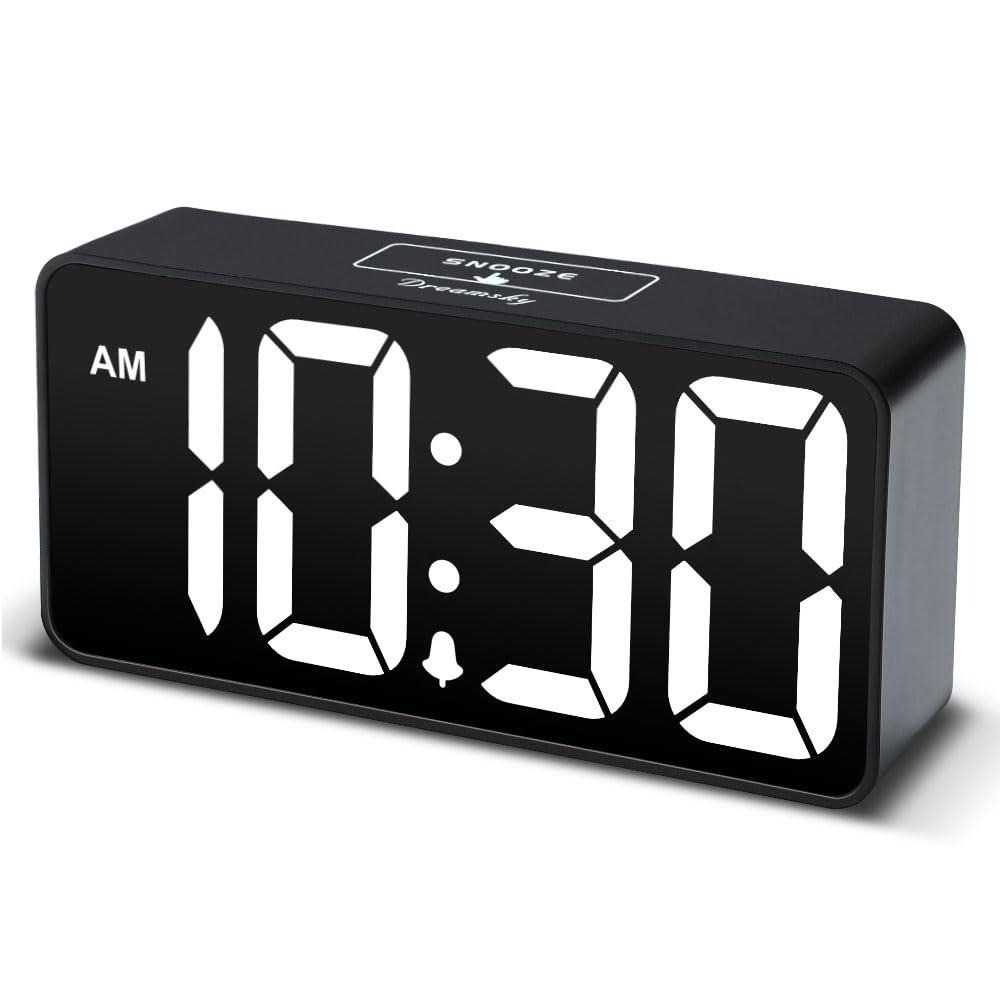
1. DreamSky Compact Digital Alarm Clock — Best Affordable Choice
If all you need is a clock that wakes you up on time, the DreamSky Compact could be a good fit. It doesn’t cost much, and you won’t have to spend ages figuring out the settings.
The large numbers are easy to read, even when you’re half asleep. There are also separate controls for changing the screen brightness and alarm volume.
It also has a USB charging port, which may be handy beside your bed.
The drawback: The clock has a basic plastic body and one alarm sound. Its backup batteries preserve settings rather than providing normal long-term operation during an outage.
Best for: Night workers who want a simple, affordable clock with a large display.
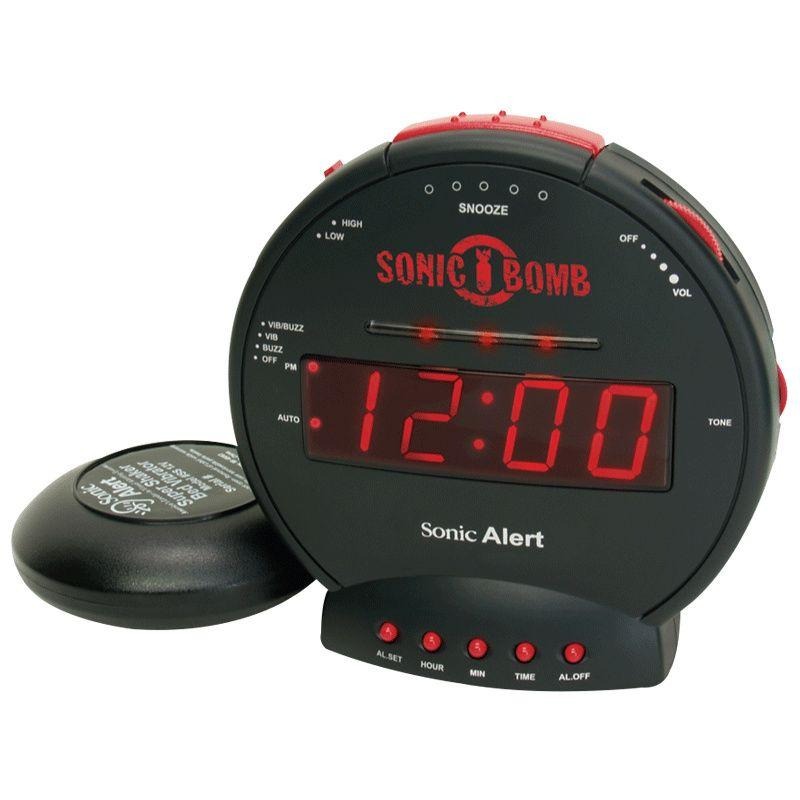
2. Sonic Alert Sonic Bomb SBB500SS — Best for Heavy Sleepers
If ordinary alarms don’t wake you, the Sonic Bomb offers another way to get your attention.
It combines an adjustable loud alarm with a vibrating unit that can go under a mattress or pillow, following the manufacturer’s placement instructions.
It also has dual alarms and adjustable display brightness.
The drawback: Its loud sound and flashing lights may disturb other people in the bedroom. Some sleepers may find the alarm too harsh.
Best for: Heavy sleepers and people who need a vibration-based wake-up signal.
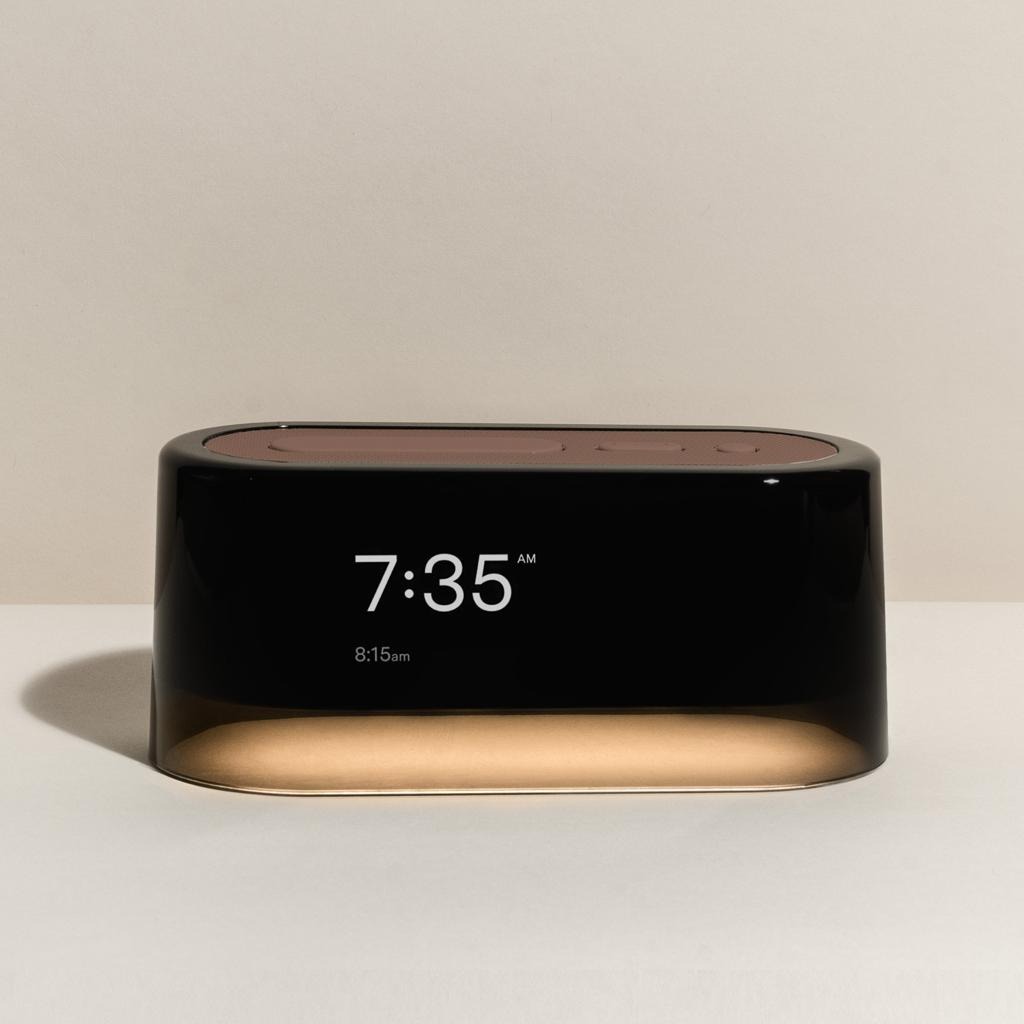
3. Loftie Alarm Clock — Best for Gentle Waking
The Loftie Clock uses a two-part alarm. A softer sound plays first, followed by a stronger alarm intended to get you out of bed.
You can play calming sounds at bedtime, dim the clock’s screen, and set alarms for different days. If loud beeping bothers you, Loftie’s softer sounds might be easier to wake up to. The downside is that you need an app to get started. Some customers have also reported trouble setting it up and getting the alarms to work properly. Those complaints are worth considering, though they don’t establish how often problems occur.
Best for: People who prefer gradual sounds and want more control over their wake-up routine.
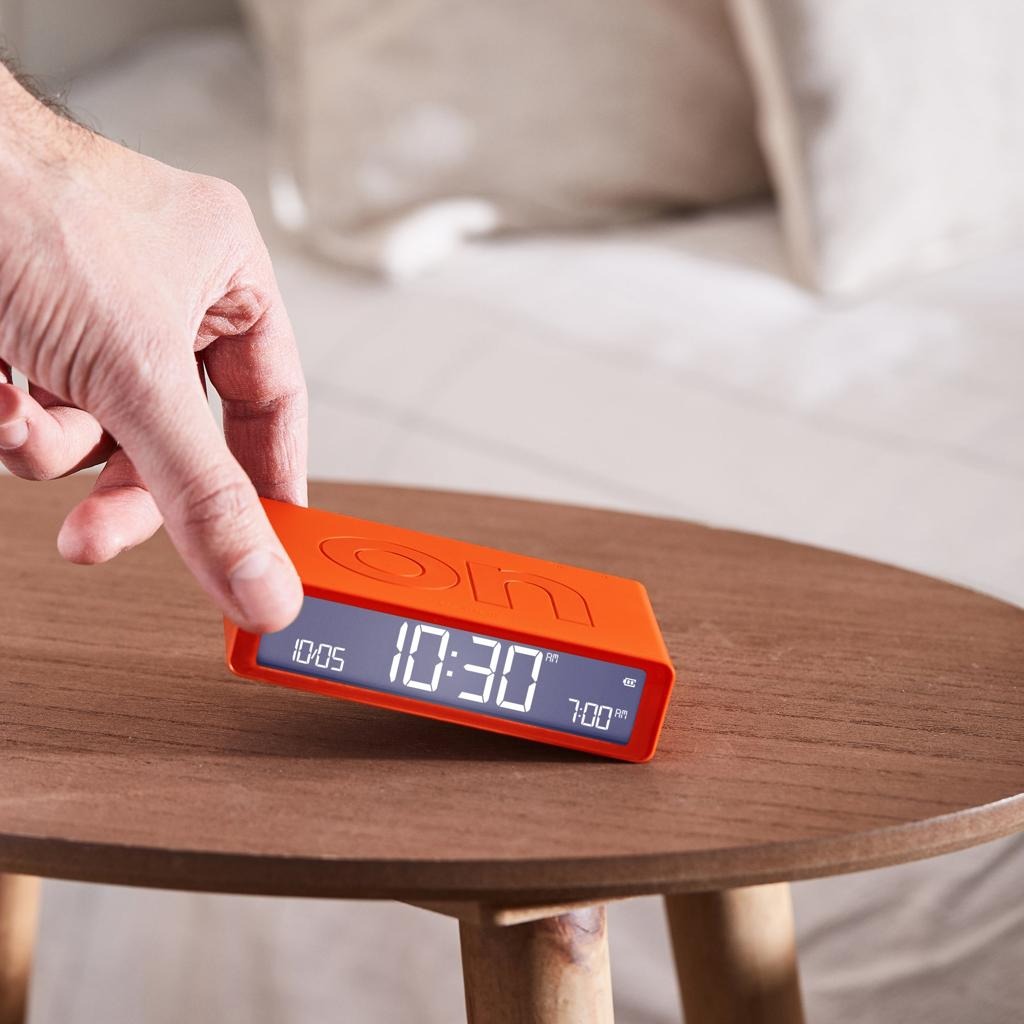
4. Lexon Flip Rechargeable Alarm Clock — Best for Travel
The Lexon Flip is small enough to pack in a work bag. You turn the alarm on or off by flipping the clock over.
Its rechargeable battery is convenient when you don’t want to carry another power adapter everywhere.
The drawback: It has one alarm volume, and the sound may be too quiet for someone who sleeps deeply. Its small display can also be difficult to read from across a room.
Best for: Workers who travel, stay in hotels, or want a small bedside alarm.
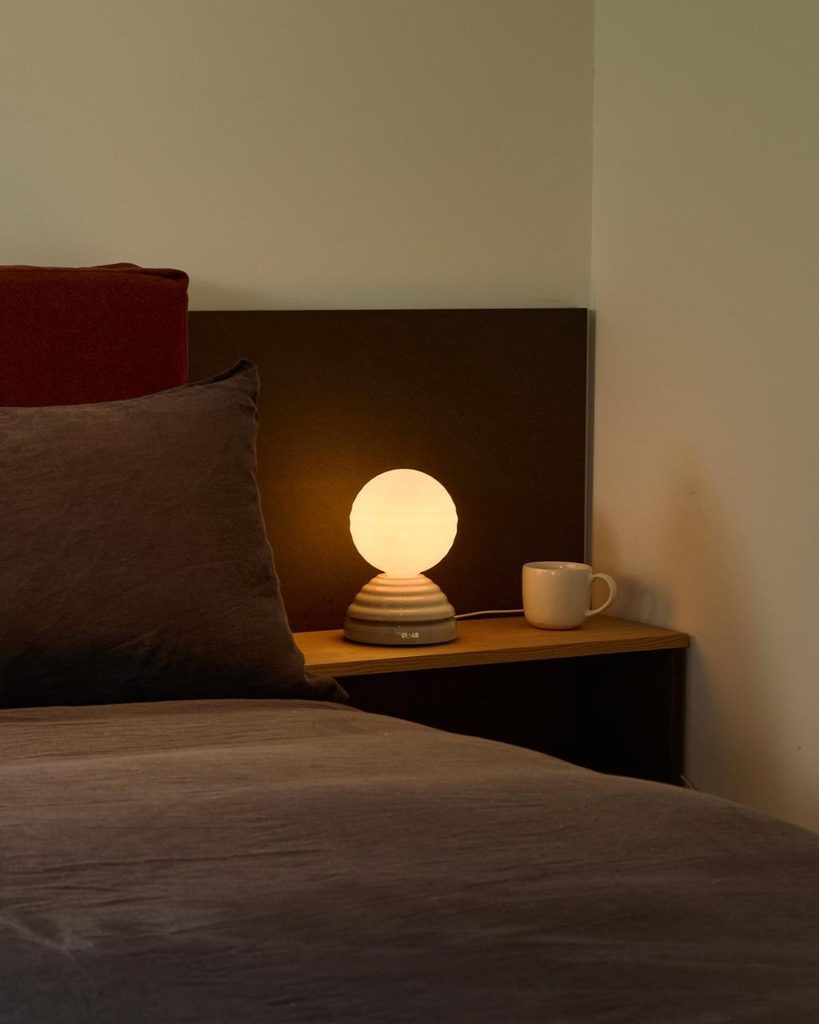
5. Tala Wake Sleep Light — Best Premium Wake-Up Light
The Tala Wake Sleep Light looks more like a bedside lamp than an alarm clock.
It uses adjustable light and sound to help you wake up. You can also choose from several background sounds when you’re preparing for sleep.
The drawback: It is expensive, and alarm times can be set only in five-minute steps.
Best for: People who want a wake-up light and are comfortable paying more for its design and features.
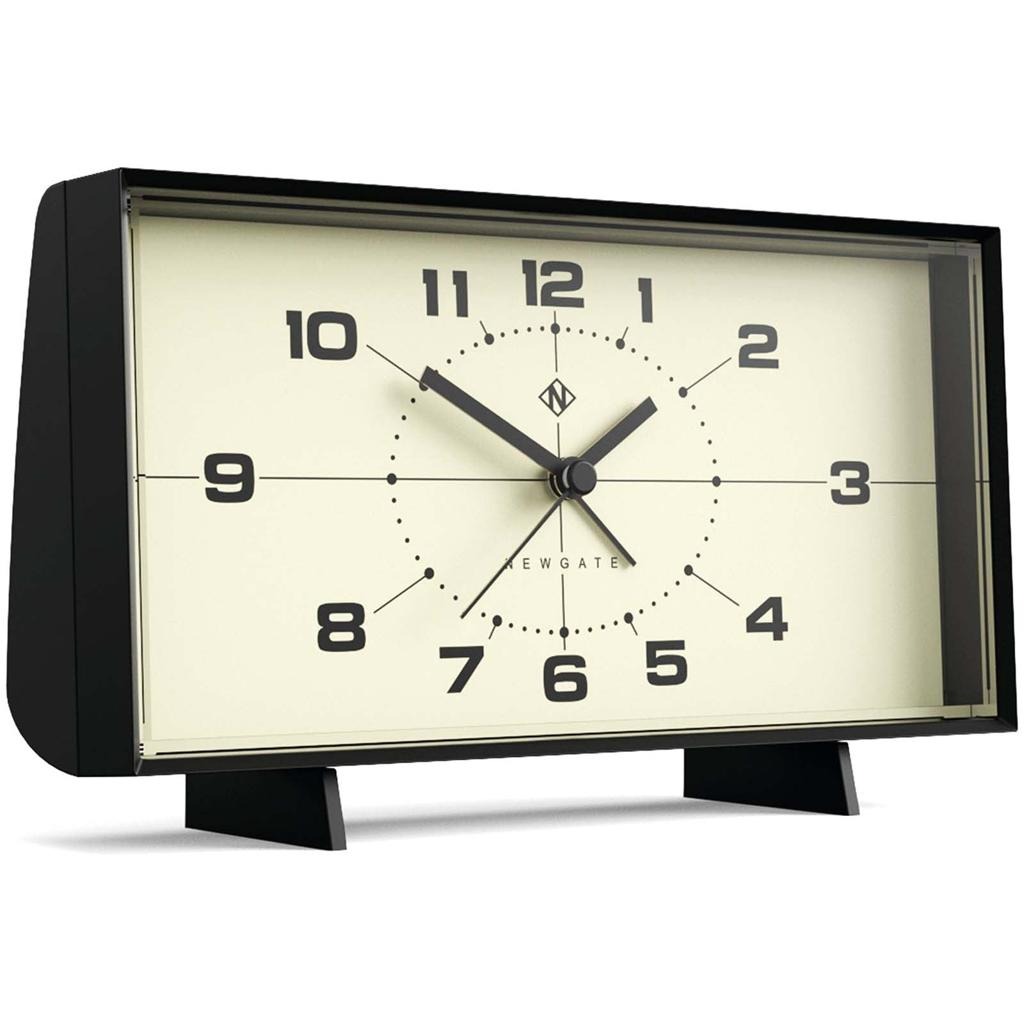
6. Newgate Wideboy Alarm Clock — Best Simple Analog Clock
The Newgate Wideboy has a wide face and a quiet sweeping second hand.
This clock works with a battery, so there’s no need to plug it in. You won’t have to download an app or connect it to Wi-Fi either.
The drawback: You can’t hit snooze or check the time in the dark. It’s also tricky to set the alarm for an exact minute.
Best for: Anyone who likes an old-fashioned clock without extra features.
Quick Comparison of the Best Alarm Clocks
| Alarm clock | Best for | Main drawback |
| DreamSky Compact | Budget buyers | Basic alarm sounds |
| Sonic Bomb | Heavy sleepers | Very loud |
| Loftie | Gentle waking | App setup |
| Lexon Flip | Travel | Fixed volume |
| Tala Wake Sleep Light | Light-based waking | Expensive |
| Newgate Wideboy | Simple analog use | No snooze |
Loud vs. Vibrating vs. Sunrise Alarm Clocks
These three types of alarms wake people in different ways. Choosing between them depends on how easily you wake and whether someone else shares your bedroom.
Loud Alarm Clocks
A loud alarm may help if you often miss quieter sounds.
Look for adjustable volume rather than choosing the loudest clock available. You should be able to find a setting that wakes you without causing unnecessary discomfort.
Vibrating Alarm Clocks
Vibrating alarms use a small device that shakes the bed or pillow.
They can be useful for people with hearing loss or those who don’t respond well to sound alone.
If you share a bedroom, vibration may also be worth considering, although a bed shaker can still wake the person beside you.
Sunrise Alarm Clocks
Sunrise alarms gradually brighten a light before your wake-up time.
Instead of waking in complete darkness, you begin to notice the light as the alarm approaches.
Some models combine this with music or another sound.
A sunrise alarm may be pleasant for someone who wakes easily, but heavy sleepers should consider a sound or vibration backup.
Are Sunrise Alarm Clocks Good for Night Shift Workers?
A sunrise alarm clock can be useful when you need to wake up in a dark bedroom.
Suppose you finish work at 7 a.m. and sleep until 3 p.m. Your blackout curtains keep the room dark, but waking up in complete darkness may feel unpleasant.
A sunrise clock slowly brightens the room before your alarm time. You can then use sound as a second signal.
Can a Sunrise Alarm Work During the Afternoon?
Yes. A programmable sunrise alarm can simulate morning light at 3 p.m. or any other supported alarm time.
However, the effect of light on your body clock depends on when you receive it. The CDC explains that light timing can influence sleep and alertness. A wake-up light should not be treated as a guaranteed solution for shift work sleep problems.
If your work schedule changes frequently, check whether the clock lets you adjust the light schedule easily.
Best Alarm Clocks for Heavy Sleepers Who Work Nights
If you regularly sleep through your alarm, buying a louder clock may seem like the easiest answer.
But first, think about why you’re having trouble waking up.
Why You Might Sleep Through an Alarm
Ever turned off your alarm and gone straight back to sleep without remembering it? Sometimes, your alarm goes off while you’re in a deep sleep.
This groggy feeling is called sleep inertia. It can make it harder to think clearly immediately after waking.
Do Louder Alarms Always Work Better?
Not necessarily.
A louder sound may help someone who doesn’t hear a soft alarm, but it can also be unpleasant or disturb others.
Try adjustable volume before choosing an extremely loud model.
When to Choose a Bed-Shaker Alarm
If sound alone isn’t working, a vibrating alarm may be worth trying.
The Sonic Bomb SBB500SS, for example, has a separate bed shaker and adjustable alarm sound. The manufacturer also provides a test mode so users can check their settings.
Should You Use Two Alarms?
A second alarm can be useful if you absolutely must wake up for work.
You might set your main clock for 3:30 p.m. and a separate phone alarm for 3:35 p.m.
Use two devices when possible, so one power or device failure doesn’t affect both alarms.
Best Alarm Clocks for Rotating and 12-Hour Night Shifts
People who work the same hours every night can often use one repeating alarm. Rotating shift workers have a harder job.
One week, you may be working from 7 p.m. to 7 a.m. The next week, you might be scheduled for daytime hours.
Alarm Settings for Permanent Night Shifts
If you work the same night hours every day, keeping one alarm time makes things easier. Say you sleep from 8 a.m. to 4 p.m. Set your alarm for 4 in the afternoon so you have enough time to eat, get ready, and leave for work. Double-check that you’ve selected PM.
Alarm Settings for Rotating Shifts
Changing shifts means changing your wake-up time, too. A clock that lets you save several alarms can save you the trouble of resetting it every day. The Loftie Clock allows you to set one-time alarms or choose which days they should ring. This can be helpful when your workdays change.
Still, check your upcoming schedule rather than assuming the same alarms will always be correct.
Example Alarm Schedule for a 12-Hour Night Shift
Here is an example for someone working from 7 p.m. to 7 a.m.
| Time | Plan |
| 7:30 a.m. | Arrive home and prepare for bed |
| 8:00 a.m. | Begin main sleep period |
| 4:00 p.m. | Main wake-up alarm |
| 4:05 p.m. | Backup alarm if needed |
| 4:30 p.m. | Eat and prepare for work |
| 6:00 p.m. | Leave for work, depending on travel time |
| 7:00 p.m. | Start shift |
This example allows eight hours in bed, although actual sleep time may be shorter. Adjust it for your commute, family responsibilities, and sleep needs.
Don’t shorten your sleep just to make more time for chores before work. NIOSH advises night workers to protect their daytime sleep opportunity.
How to Use an Alarm Clock in a Blackout Bedroom
A dark bedroom can help you sleep after a night shift. But some digital clocks have bright displays that stay on all day.
That light may become annoying when you’re trying to rest.
Choose a Clock With a Dimmable Display
Look for a model with several brightness settings or a display-off option.
For example, Loftie’s blackout mode turns off the clock display and nightlight while leaving its alarm functions available.
Keep the Clock Where You Can Reach It
If you wake easily, keeping the clock beside your bed may be fine.
If you regularly turn off the alarm and fall asleep again, try placing it farther away so you need to get up to stop it.
Make sure the path is clear. You don’t want to trip over shoes or furniture while half asleep.
Keep Your Bedroom Dark Until It’s Time to Wake
Close the blackout curtains before sleeping and reduce unnecessary light from electronic devices.
For more practical advice, see Best Blackout Sleep Setup for Night Shift Workers.
Alarm Clock vs. Smartphone Alarm: Which Is Better?
Your phone may already have everything you need. You can set several alarms, change the sound, and schedule different wake-up times.
So why buy a separate alarm clock?
When a Smartphone Alarm Is Enough
If your phone reliably wakes you, there’s no need to replace it.
Check the volume, battery, alarm settings, and any features that could affect the alarm.
Why a Separate Alarm Clock May Help
A phone can be distracting.
You pick it up to check the time, notice a message, and spend another 20 minutes scrolling when you should be sleeping.
A bedside alarm clock lets you check the time without opening social media or reading notifications.
Can You Use Both?
You can keep an alarm clock beside your bed and set another alarm on your phone a few minutes later. That way, if you miss the first one, you still have another chance to wake up. Check both alarms before going to sleep.
What Happens to Your Alarm Clock During a Power Outage?
A power cut while you’re asleep could leave your alarm clock switched off. If it has no working battery backup, you might wake up much later than planned. Check how the clock works without electricity before buying it.
Battery Backup vs. Battery-Powered Clocks
A battery-powered clock can continue operating without wall power as long as its battery has enough charge.
Some plug-in clocks use backup batteries only to remember the time and alarm settings.
For example, Sonic Alert states that the Sonic Bomb SBB500SS has a settings backup. That should not be confused with a guarantee that the alarm will sound during an outage.
Rechargeable Alarm Clocks
Rechargeable models can be convenient for travel.
Loftie states that its clock has an internal backup battery that can keep the alarm working during a limited power interruption, although the clock is intended to remain plugged in.
Check the manufacturer’s instructions before depending on backup power.
Best Alarm Clock Setup for Different Night Shift Workers
Your job title doesn’t determine which alarm you need. Your sleep habits and work schedule matter more.
A nurse who wakes easily may prefer a gentle alarm. A factory worker who sleeps through ordinary beeping may need vibration. A security guard working different days each week may care most about flexible alarm settings.
| Worker or situation | Useful alarm feature |
| Nurse working overnight | Reliable afternoon alarms |
| Heavy sleeper | Adjustable sound and bed shaker |
| Rotating shift worker | Multiple scheduled alarms |
| Worker sharing a bedroom | Adjustable volume or vibration |
| Frequent traveler | Compact rechargeable clock |
| Light-sensitive sleeper | Display-off or dimming feature |
Think about the problems you face before choosing a model.
Best Alarm Clock Setup for Every Budget
Budget Setup: Keep It Simple
If you only need to wake up at the same time each day, a basic digital clock may be enough.
Look for easy controls, adjustable sound, and a dimmable display. You don’t need Bluetooth, sleep stories, or smart-home features just to wake up for work.
Mid-Range Setup: Get the Features You Need
Some days, one alarm just isn’t enough to get you out of bed. If you sleep heavily or work changing shifts, spending a little more on a clock with extra alarms or a bed shaker may help.
Premium Setup: Do You Really Need an Expensive Clock?
Some clocks slowly light up your room before the alarm rings. Others play relaxing sounds or remember different wake-up times. These extras are nice, but you may not need them.
These can be pleasant additions, but a higher price doesn’t guarantee better reliability.
What Not to Buy: Alarm Clock Features That May Waste Your Money
Not every clock that looks good online will work well beside your bed.
Avoid a clock with a bright display you cannot dim if you’re sensitive to light during daytime sleep.
A clock with one quiet alarm sound may be unsuitable if you already sleep through alarms. Likewise, a very loud alarm may be unnecessary if you wake easily.
Be careful with smart clocks that require complicated setup. If all you want is a dependable alarm, an app and Wi-Fi connection may add work without giving you much benefit.
Don’t assume that a battery backup means the alarm will keep ringing during a power outage.
Finally, think twice before buying a sunrise-only alarm if you regularly sleep through quieter wake-up signals.
How to Set Up and Test Your Alarm Clock Before Your Next Shift
Don’t wait until an important workday to find out whether your new clock works.
Set the time and choose the correct AM or PM setting. If the clock uses a 24-hour format, check that you’re comfortable reading it.
Choose your alarm sound and volume, then test it while you’re awake.
If the clock has vibration, try it in the position recommended by the manufacturer.
Take a quick look at the clock’s brightness and make sure it’s plugged in properly. If it uses backup batteries, check what they actually keep running when the power goes out.
Work different shifts each week? Make sure your alarm is set for the right days.
Before you get into bed, check the time you’ve set. You don’t want to wake up late because you accidentally chose 4 a.m. instead of 4 p.m.
My Recommended Alarm Clock Setup for Someone Starting From Zero
You don’t need an expensive alarm clock to get started. A basic digital clock with easy buttons, adjustable sound, and a screen you can dim should work well for most night shift workers.
You don’t need to spend a lot to get those features.
If you already know that you sleep through regular alarms, consider a bed-shaker model instead. A vibrating alarm may be more useful than buying another clock that only beeps louder.
For people who dislike harsh sounds, a gradual alarm is worth considering, provided it wakes them reliably.
Keep a separate backup if missing work would cause serious problems.
Most importantly, give yourself enough time to sleep. An expensive clock can’t make up for being short on rest every day.
When Sleeping Through Alarms May Be a Health Concern
Occasionally missing an alarm can happen, especially after a tiring shift.
But if you’re sleeping through several alarms regularly, struggling to stay awake at work, or feeling exhausted despite having enough time in bed, don’t ignore it.
Sleep debt, shift work sleep disorder, sleep apnea, and other problems may contribute to excessive sleepiness.
Talk with a healthcare professional if the problem continues. If you’re too sleepy to drive safely, arrange another way home rather than relying on an alarm or caffeine to solve the problem.
Frequently Asked Questions.
What alarm clock is best for heavy sleepers?
A loud alarm with adjustable volume or a vibrating bed shaker may help. The Sonic Bomb SBB500SS offers both features. Try the settings before relying on it for an important workday.
Are sunrise alarm clocks good for people who work nights?
They can be useful for people who prefer waking with gradual light instead of a sudden beep. Choose a model with adjustable timing and a sound backup, especially if you tend to sleep deeply.
Can vibrating alarm clocks wake deep sleepers?
Vibrating alarms can help some deep sleepers by shaking the bed or pillow. However, no alarm works for everyone. Test the vibration strength and placement before depending on it.
Should night shift workers use two alarms?
Two alarms can be helpful if you often oversleep or cannot afford to miss work. Set a primary alarm and a backup on a separate device. Make sure both are charged or powered.
Is a phone alarm better than a regular alarm clock?
Your phone works fine as an alarm, but it can also keep you awake with messages and notifications. A regular alarm clock helps you leave your phone alone at bedtime. You can use both if you’re worried about oversleeping.
What if I keep sleeping through my alarm after a night shift?
Check whether you’re getting enough sleep and whether the alarm is loud enough. If a regular alarm isn’t waking you up, try one that shakes your pillow or mattress. Still feeling worn out even after getting enough sleep? Talk to your doctor.
Final Thoughts
Getting out of bed after working all night isn’t always easy. Some days, you’re so tired that even a few extra hours of sleep don’t seem like enough.
A good alarm clock should make that part of your day easier. You may need a loud alarm, a bed shaker, or simply a clock with clear buttons and a display that doesn’t light up your bedroom.
Choose an alarm that fits your sleep habits and work hours. Test it before relying on it, keep a backup if needed, and make sure you’re giving yourself enough time to rest.
The right clock can help you wake up on time. Getting enough sleep will help you feel more ready for the shift ahead.
Sources and Further Reading
Health and sleep guidance
- CDC/NIOSH — Coping With Night and Evening Shifts: Sleep
- CDC/NIOSH — Effects of Light on Circadian Rhythms
- CDC/NIOSH — Improve Sleep by Avoiding Light
Product information
- Sonic Alert — Sonic Bomb SBB500SS Specifications
- Loftie — Clock Features and Support
- Loftie — Official Product Page
The additional product descriptions draw on the Wirecutter review supplied for this article. Current prices and availability should be checked before publication.
Suggested Internal Links for NightShiftWell
Include links to Best Blackout Sleep Setup for Night Shift Workers in the blackout bedroom section, Night Shift Sleep Debt: Can You Catch Up on Sleep? in the heavy-sleeper section, and How to Sleep During the Day After a Night Shift in the section about daytime sleep.

Daniel Carter is the founder of NightShiftWell. He spent over a decade working night and rotating shifts in logistics and warehouse operations before starting this site to share what actually works — and what doesn’t — for staying healthy on an inverted schedule.